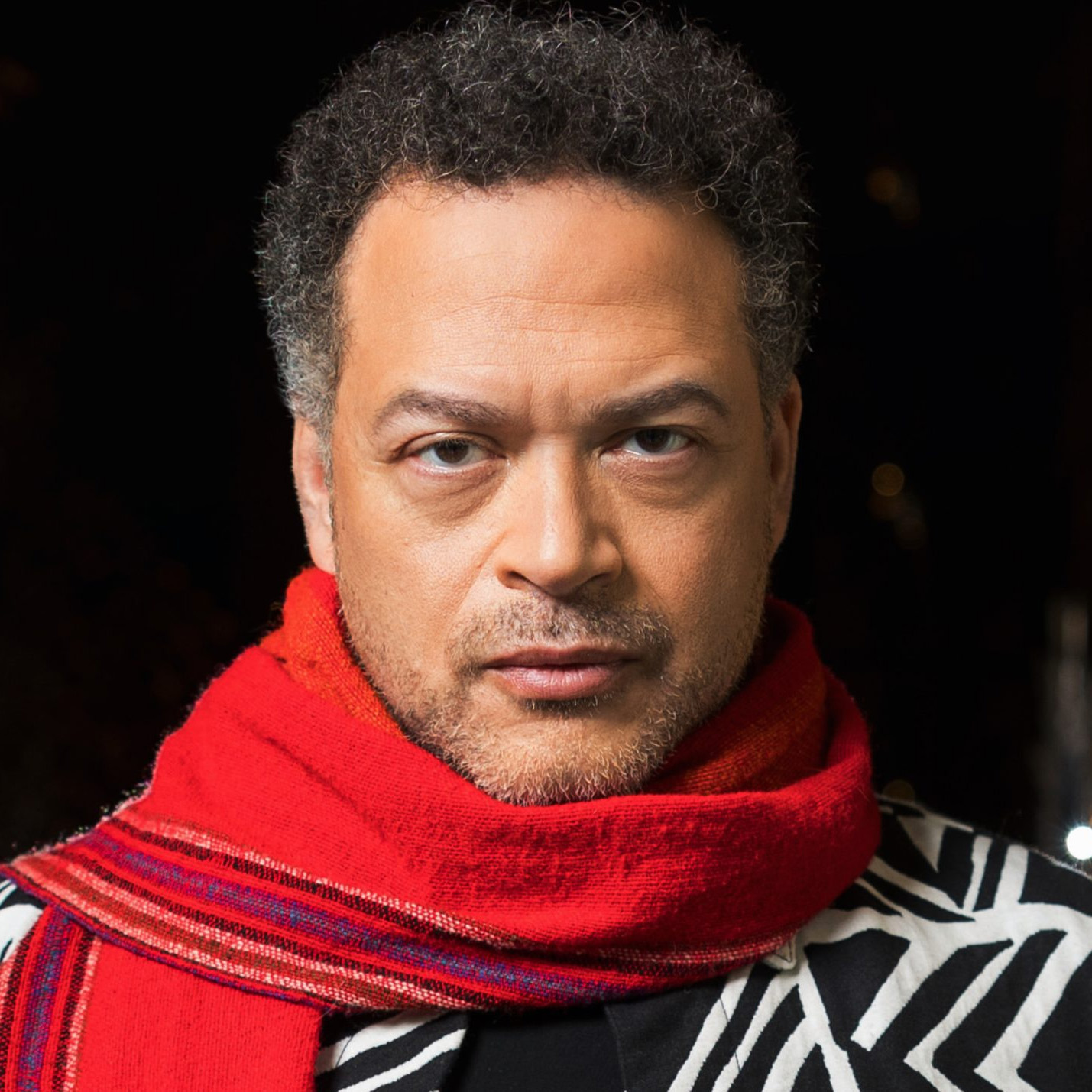
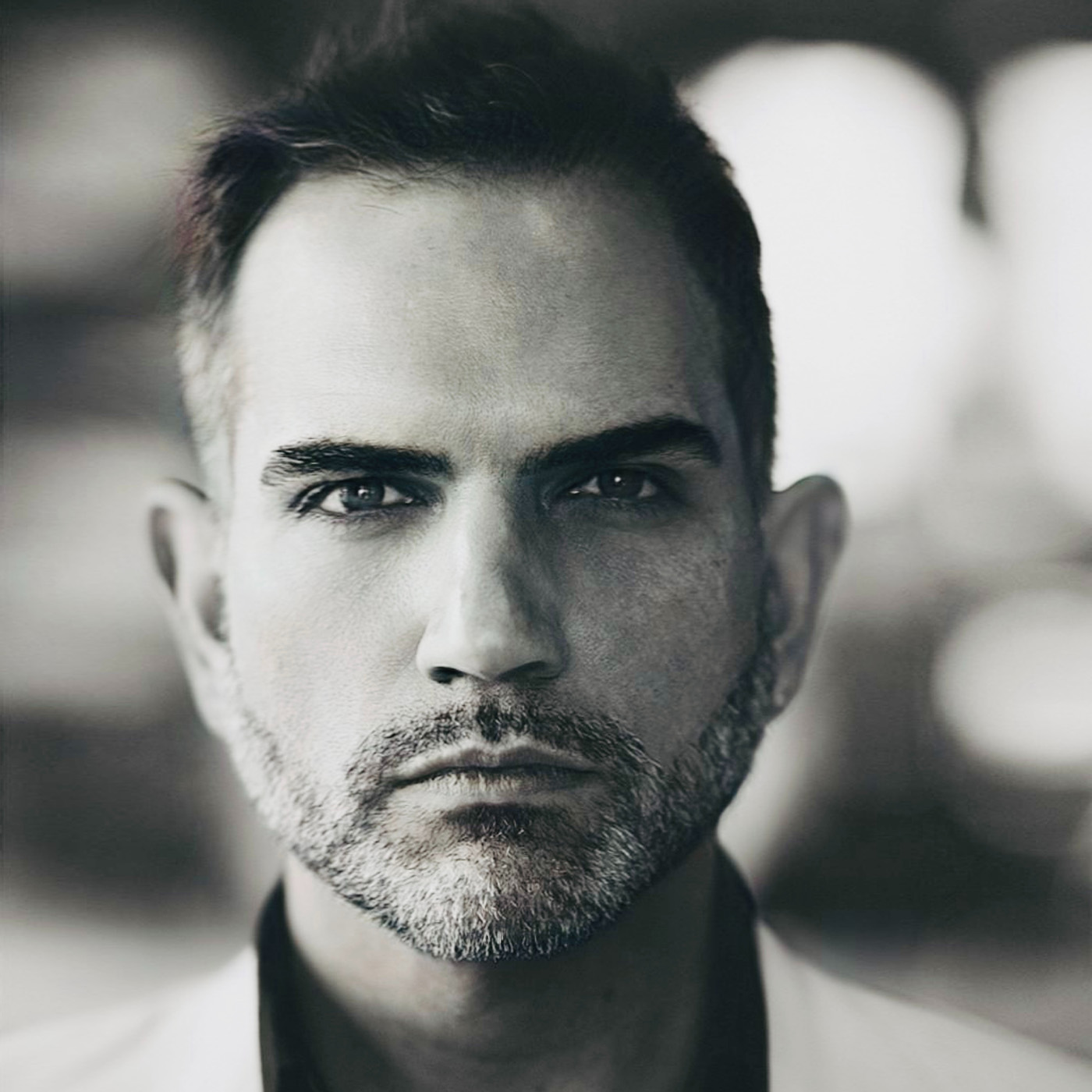
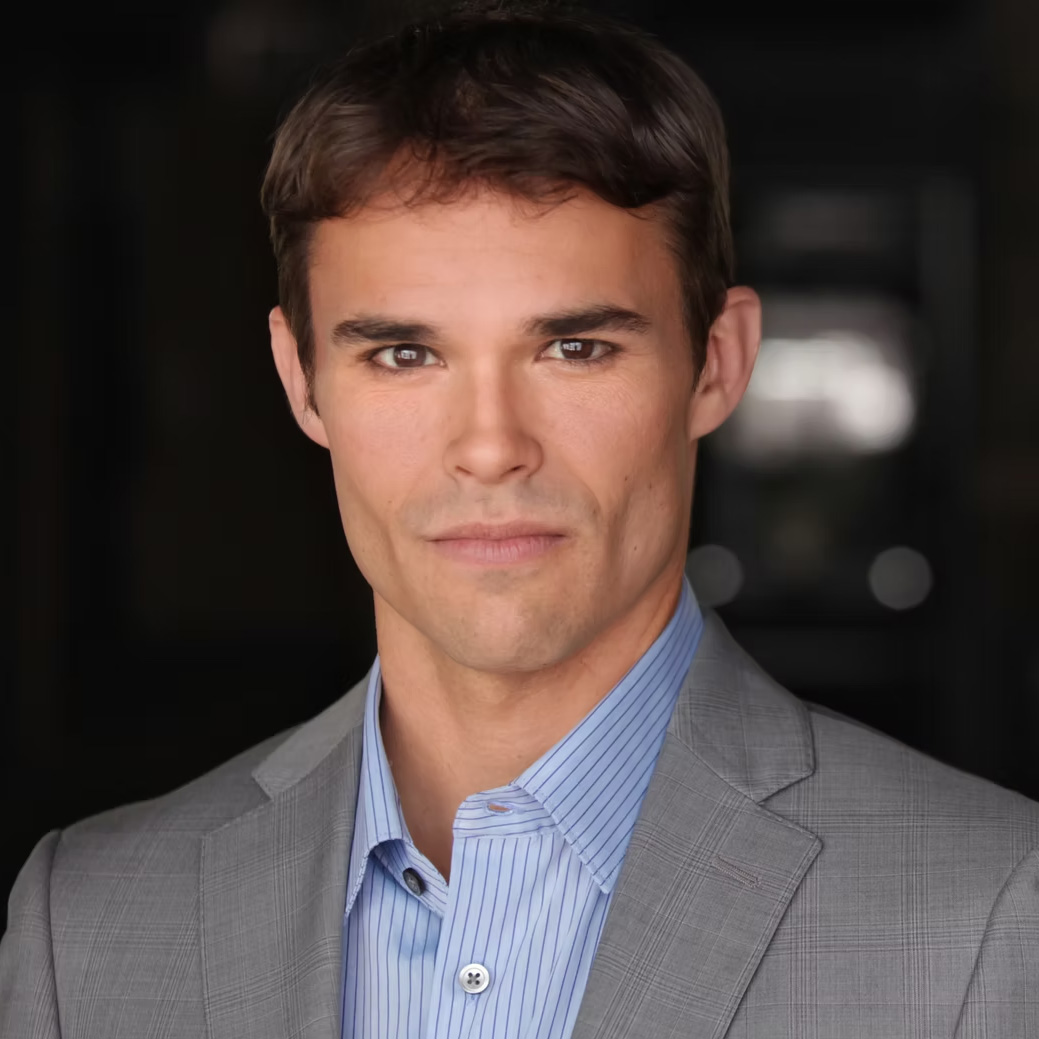
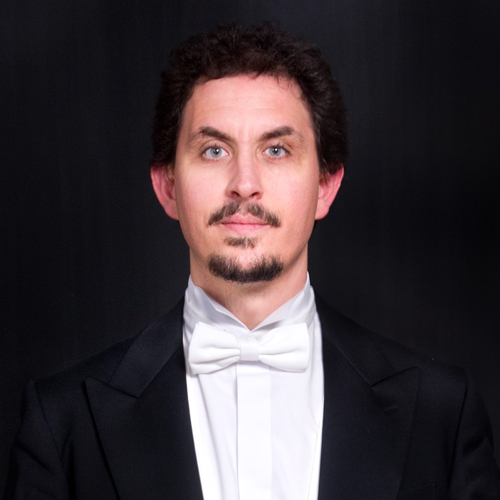
Nathan Granner is a tenor acclaimed for his “marvellous intensity” (Gramophone) and hailed as “a stirring tenor of equal parts metal and warmth” (Opera News). He brings grace to the classical repertoire and commanding power to the spinto and lyric canon. His career spans leading roles in the central Italian and French repertoire — Cavaradossi (Tosca), Rodolfo (La Bohème), Don José (Carmen), Edgardo (Lucia di Lammermoor), Radamés (Aïda), and Don Ottavio (Don Giovanni) — each marked by his distinctive blend of lyric grace and dramatic force. Granner is also recognized for his reliability and leadership in seeing productions through to completion, qualities that stand out in an industry where pressure on principal artists is intense and stakes for companies are high.
Granner’s voice is renowned for lyricism, beauty, world-class stamina, power, and dramatic insight – qualities that allow him to bring both iconic heroes and new characters to vivid life across all repertoire. Whether on stage, in the studio, or on film, his performances are marked by a depth and adaptability that are different, yet immediately distinguished.
Celebrated for his originality and fearless approach, Granner is a trusted interpreter of new works, having originated Korey Wise in the Pulitzer Prize-winning The Central Park Five (Anthony Davis), Mr. Chips in Gordon Getty’s Goodbye, Mr. Chips, Rob Hall in Everest (Joby Talbot/Gene Scheer), and pivotal roles in Stewart Copeland’s The Invention of Morel and Laura Kaminsky’s Today It Rains. His versatility extends to crossover and recording projects, including acclaimed solo albums such as Ombre di Luce (Pentatone Music) and the Billboard Classical-Crossover top-five album The American Tenors (Sony Classical), as well as collaborations in jazz, tango, and flamenco.
Granner’s credits include performances with Detroit Opera, Dayton Opera, Chicago Opera Theater, Opera Parallèle, Fort Worth Opera, Orlando Opera, and concertizing with the National Symphony Orchestra, Baltimore Symphony, and Kansas City Symphony. These seasons further establish his reputation for artistry, endurance, and relevance on both stage and screen.